









GlobalBlock evolves: more extensions, more protection (and new challenges)
April 9, 2026 | Iñigo de las Heras Nuin
Protección de Marca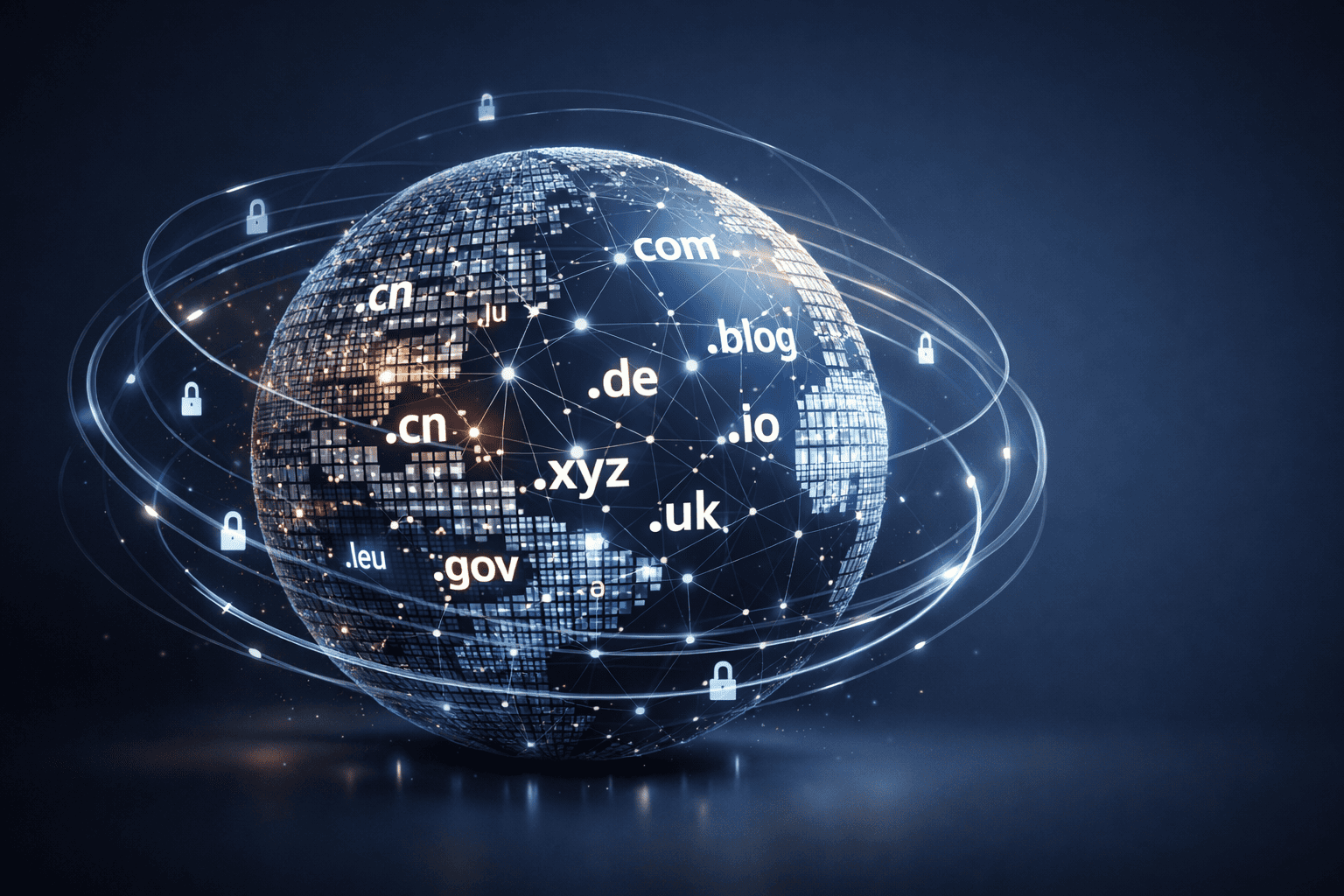
Brand protection on the internet is no longer static.
New domain extensions keep emerging, digital spaces continue to expand, and risks evolve at the same pace. In this context, solutions like GlobalBlock cannot afford to stand still.
And they aren’t.
GlobalBlock is expanding its coverage by adding new domain extensions. This strengthens brand protection, but also introduces new nuances that companies should understand if they want to stay in control of their digital presence.
More domain extensions, more protection… and more complexity
One of the most relevant changes is the expansion of GlobalBlock’s reach.
Coverage is increasing from over 700 extensions to nearly 800. This is not just about scale — every new extension represents another potential entry point for brand misuse.
Among the new additions, we find examples that clearly reflect how the internet is evolving:
- Open extensions such as .blog
- Geographic domains like .kz, including multiple subzones
- New namespaces linked to the Web3 ecosystem
This reinforces an important idea: your brand no longer lives in a single domain. It exists across a much broader digital landscape.
Protection grows automatically — and that matters
For companies already using GlobalBlock, this expansion does not create additional operational work.
Protection is automatically applied to the new extensions, as long as the domain name is available. This allows businesses to maintain a strategic approach without adding complexity.
In practice, this means:
- No need to manually track new extensions
- No need to register domains one by one
- No need to anticipate every emerging risk
The system continues to do what it is designed for: staying ahead.
Specialized extensions: what they are and why they matter
This is where the update becomes more than just an expansion — it introduces a different protection model.
GlobalBlock now includes a new category: specialized extensions.
These include, for example:
- .cn and .中国, together with multiple subzones
- .de
These extensions do not operate in the same way as standard ones. And this is not driven by product positioning, but by the local rules and requirements of each registry.
What actually changes in these extensions
Protection still exists, but it is not always applied in exactly the same way.
In these extensions:
- Standard domain blocking is not always possible
- Alternative protection or registration methods may be used
- Conditions depend on local registry policies
This introduces an important shift: protection is no longer fully uniform. And that makes understanding the environment more important than ever.
The critical point: automation is no longer absolute
One of GlobalBlock’s strongest features has always been automation.
However, in these specialized extensions, there is an important nuance: automated domain capture is not always guaranteed.
This means:
- Released domains are not always automatically secured
- Existing domains should be carefully reviewed before being allowed to expire
- Risk management becomes more strategic and less purely automated
This does not mean weaker protection. It means a different operating model.
Even domain visibility can change
Another subtle but important aspect is how these domains may appear publicly.
In some cases:
- Domains may resolve to standard informational landing pages
- WHOIS or RDDS data may appear differently
- Visible data may reflect local registry requirements
This is part of how these extensions work, but it can create confusion if businesses expect all blocked domains to behave in exactly the same way.
Watch out for false positives in monitoring
This is one of the most relevant operational implications.
Brand monitoring tools may interpret some of these protected domains as active or suspicious, even though they are already covered within the service.
For this reason, it is worth:
- Reviewing how monitoring tools are configured
- Applying whitelisting where necessary
- Avoiding unnecessary alerts and internal noise
If this is not managed properly, it can create false alarms inside your own brand protection workflow.
What this GlobalBlock expansion means for your business
All of this reflects a broader reality: there is no longer a single global model. The internet is made up of multiple ecosystems, each with its own rules.
This has clear implications for businesses:
- Brand protection is no longer just technical — it is strategic
- Not all extensions are managed in the same way
- Local regulations directly affect your protection model
That is why this expansion is not just a product update. It is a direct response to how the digital landscape is changing.
More extensions mean more opportunities for presence, but also more exposure to risk. Solutions like GlobalBlock evolve to reduce that risk without multiplying complexity.
If you want to understand how to protect your brand in this new scenario and what this expansion means for your business, you can explore our page on GlobalBlock and online brand protection.
Because today, protecting your brand is not just about registering a domain. It’s about understanding everything that can happen around it.