








Domain phishing: how to recognise it, prevent it and protect your digital brand
December 12, 2025 | Jordi Genescà Prat
Protección de Marca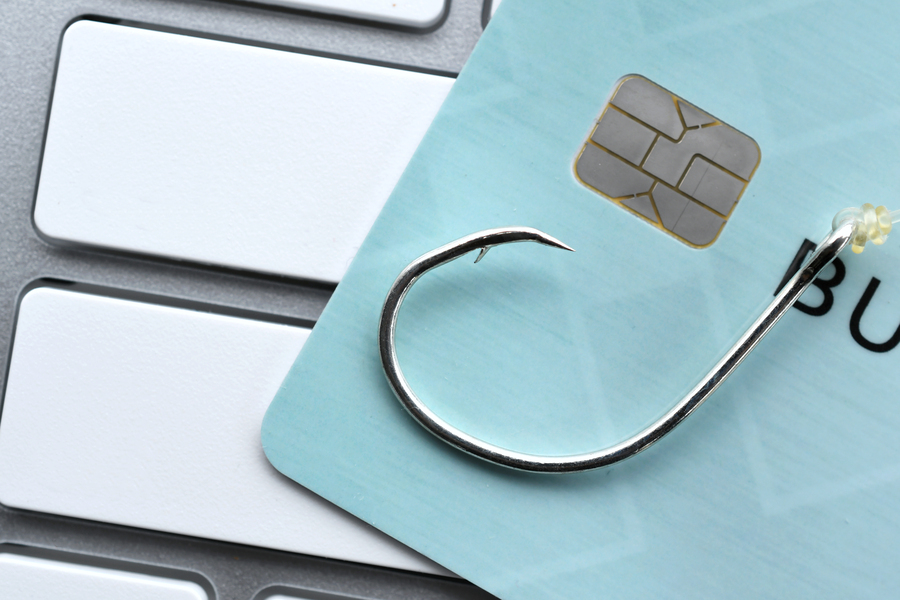
Imagine a customer receiving an email that looks exactly like it came from your company. The logo, tone and even the website link seem legitimate —but the domain behind it is fake and designed to steal data. When the victim falls, your reputation falls with them. This is domain phishing: one of the oldest and most effective attacks on the Internet.
What domain phishing is and why it still works
Phishing is a digital deception technique aimed at stealing credentials, personal data or money. In domain phishing, attackers register domains almost identical to the original to fool the user.
This technique, known as typosquatting, succeeds because humans tend to visually “fill in” what they expect to read. Fake websites and emails are increasingly sophisticated.
Ways domain phishing manifests
Domain phishing appears in various forms:
Email phishing
Emails that look real, urgent messages and links pointing to cloned websites.
Cloned websites
Cybercriminals replicate entire websites where only the domain is different.
Smishing (SMS phishing)
Fake SMS messages with shortened links that hide the real domain.
Corporate impersonation (BEC)
Attackers impersonate executives using look-alike domains, causing financial and data breaches.
Real cases of domain phishing
The PayPal case
Domains such as paypa1.com have long been used to steal user credentials.
The Santander case (Spain)
SMS campaigns redirected users to fraudulent domains created specifically for theft.
Colonial Pipeline (USA, 2021)
An attack initiated with credentials obtained by phishing triggered a nationwide crisis.
The real consequences of domain phishing
- Theft of personal or financial data.
- Loss of customer trust.
- Distribution of malware.
- Financial fraud.
- Long-term reputational damage.
- Legal penalties for poor security practices.
- Loss of sales to fraudulent websites.
How to detect and prevent phishing
Monitor domain variations
Tools can detect look-alike domains registered by third parties.
Use SPF, DKIM and DMARC
Essential protocols to validate legitimate emails.
Register key extensions and variations
Prevent others from registering obvious variants of your brand name.
Train your team
Education is crucial to detect digital deception.
Digital monitoring systems
These systems detect misuse of your brand and block threats early.
How professional solutions help reinforce protection
- Antiphishing monitoring tools.
- Global domain blocking systems.
- Trademark Clearinghouse alerts.
Conclusion: phishing isn’t stopped by intuition
Phishing will continue to exist as long as there are distracted users and valuable brands. The difference lies in anticipating, monitoring and protecting your domain.
Digital security begins with your domain name.